
It’s that time of the year again! 🥂 The music is louder, the dance moves are questionable, the heels are higher, and suddenly everyone thinks they can dance like nobody is watching. From falling up the stairs to attempting to dance on tables, the end-of-year function season comes with its fair share of shenanigans!
While these moments may make for hilarious stories on Monday morning, some festive memories can come with an unexpected trip to the emergency department, and a few extra physiotherapy sessions.
As we celebrate another year of hard work and achievements, let’s remember that your body deserves to make it into the new year in one piece!
🩺 What Does a Physiotherapist See During Festive Season?
End-of-year celebrations can involve alcohol, crowded dance floors, slippery surfaces, uncomfortable footwear and fatigue. Combine these factors with questionable decisions, and injuries can happen quickly.
Some common injuries and problems associated with falls and festive activities include:
1. Ankle sprains
That innocent-looking dance move or misstep off a pavement can result in an ankle sprain. Rolling the ankle may stretch or tear the ligaments, causing pain, swelling, bruising and difficulty walking.
2. Wrist and hand injuries
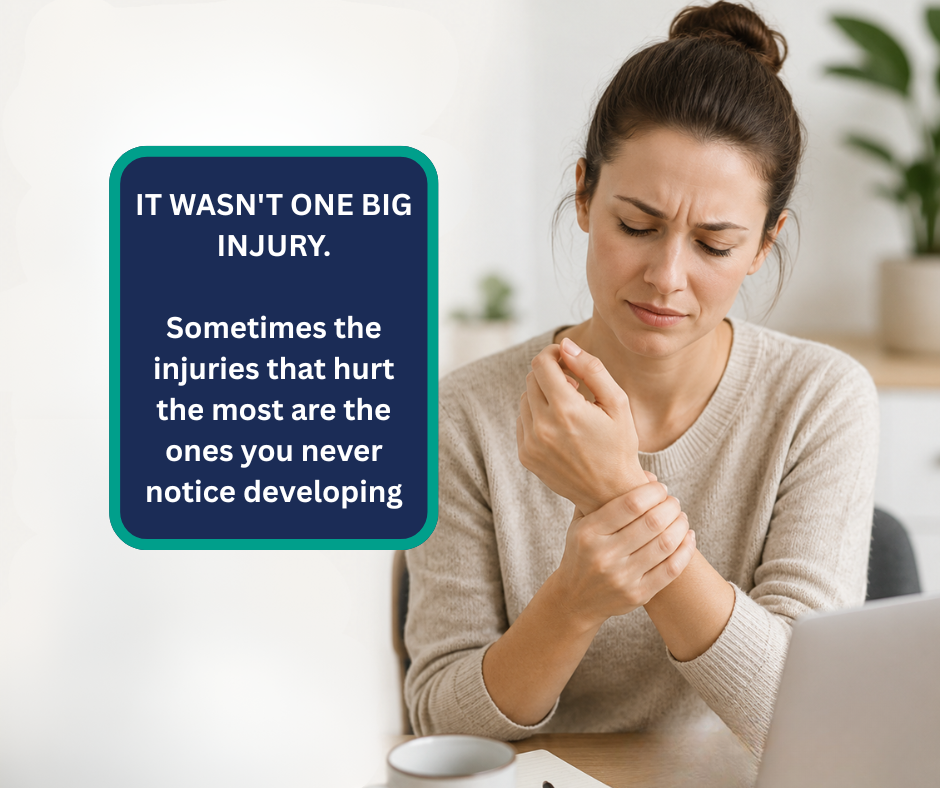
When we fall, our natural instinct is often to stretch out our hands to break the fall. Unfortunately, this can result in wrist sprains or fractures. A fall onto an outstretched hand should never automatically be dismissed as a simple sprain.
3. Back and neck injuries
Falling down stairs, slipping on a wet floor or landing awkwardly can cause muscle strains, joint injuries and, in more serious cases, spinal injuries.
4. Knee injuries
Twisting while dancing, losing balance or landing awkwardly can injure the ligaments and other structures around the knee, resulting in pain, swelling and difficulty bearing weight.
5. Muscle strains and post-party soreness
That ambitious attempt at a split, an energetic dance routine or hours on the dance floor can leave your muscles protesting the next morning. However, severe pain, significant swelling or an inability to use a limb normally should not simply be blamed on dancing.
😂 Festive Shenanigans That Could Land You in the Physio Room
Let’s be honest, we’ve all heard a story about someone who:
- Fell up the stairs and still blamed the stairs.
- Tried to dance on a table and discovered that gravity always wins.
- Wore beautiful but impractical heels and developed an unexpected relationship with the floor.
- Attempted a dance move they had only seen on TikTok.
- Slipped while showing off their dance-floor skills.
- Woke up the next morning with mysterious bruises and absolutely no explanation.
Funny? Sometimes. Harmless? Not always!
A fall can cause anything from a minor bruise to a serious fracture or head injury. Alcohol can also impair balance, coordination, judgement and pain awareness, making it easier to get injured or overlook the seriousness of an injury.
✅ Your Physiotherapist’s Festive Safety Checklist
Before the function
- Choose comfortable, stable footwear that allows you to walk and dance safely.
- Eat properly, stay hydrated and get enough rest.
- Arrange safe transport before the celebrations begin.
- Be mindful of existing injuries and avoid activities that aggravate them.
During the function
- Avoid climbing onto tables, dancing on elevated surfaces or attempting risky stunts.
- Use handrails when going up and down stairs, and avoid rushing.
- Watch out for wet floors, loose cables, uneven surfaces and crowded walkways.
- Drink responsibly. Avoid driving after drinking, and never assume that coffee or a cold shower will make you sober.
- Stop if you feel dizzy, unsteady or unusually tired.
The morning after
- Mild muscle soreness may improve with gentle movement, rest and normal hydration.
- Avoid pushing through severe pain or trying to exercise an injury away.
Seek medical assessment if pain is severe, swelling is significant, a limb looks deformed, or you cannot bear weight or use the affected area normally.
🚨 When Is It More Than Just a Bad Fall?
Please don’t laugh off every fall as a festive-season mishap.
Seek urgent medical attention for suspected fractures, severe pain, major bleeding, new weakness or numbness, or an inability to bear weight after an injury.
After a fall involving the head, seek emergency care for loss of consciousness, repeated vomiting, a worsening headache, confusion, unusual drowsiness or a seizure. A suspected neck or spinal injury requires emergency assistance; avoid unnecessary movement.
Remember: physiotherapy is valuable for rehabilitation, but serious injuries must first be assessed and appropriately managed. Early assessment can help identify injuries that need further investigation and guide a safe return to everyday activities.
💙 A Final Word From Your Physiotherapist
As the year comes to an end, we want you to celebrate your achievements, enjoy your well-deserved rest and make beautiful memories with the people you love.
May your only falls this season be the fall in love, the fall in petrol prices, and the fall of the final curtain on a successful year! 😂
Stay safe. Celebrate responsibly. Keep moving well.