
Most injuries are easy to explain.
You twisted your ankle. You lifted something heavy. You fell awkwardly.
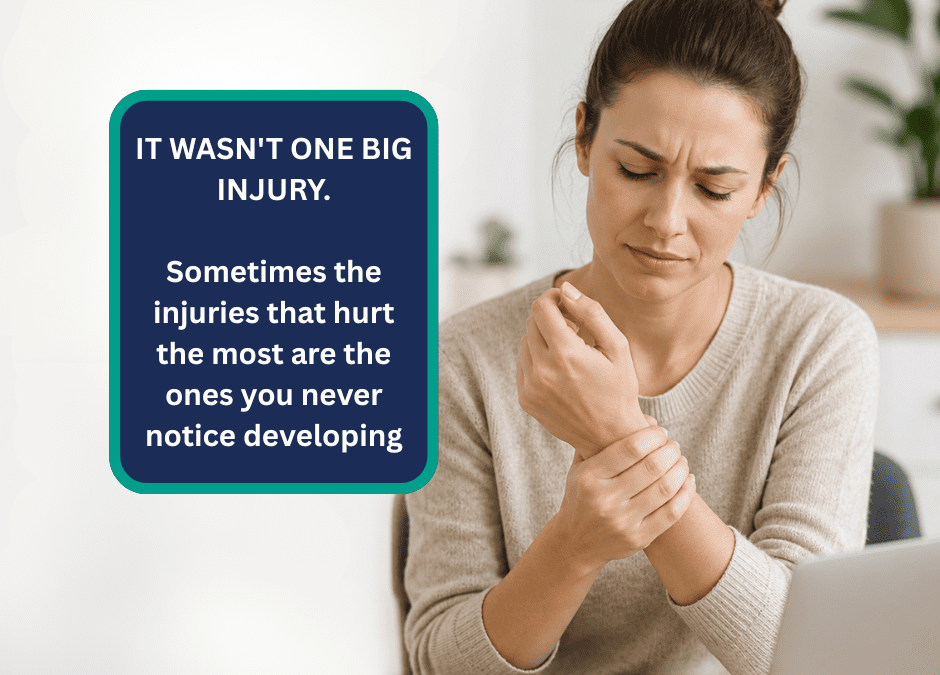
But then there are the sneaky ones – the aches and pains that seem to appear out of nowhere.
Your wrist starts aching after answering emails. Your shoulder complains after carrying your baby all day. Your elbow suddenly objects to your very normal tennis game, gardening session, or enthusiastic weekend DIY project.
Welcome to the world of Repetitive Strain Injuries (RSIs), proof that sometimes it is not one dramatic moment that causes pain, but the thousand tiny movements before it.
What Is a Repetitive Strain Injury?
A repetitive strain injury happens when a muscle, tendon, or nerve becomes irritated from doing the same movement over and over again.
Think of it as your body politely whispering:
“Please stop making me do that.”
And if ignored, eventually shouting.
These injuries develop gradually as tissues become overloaded without enough time to recover.
Where Do They Happen Most Often?
RSIs love routine.
The more often you repeat a movement, the more opportunity there is for strain to build up.
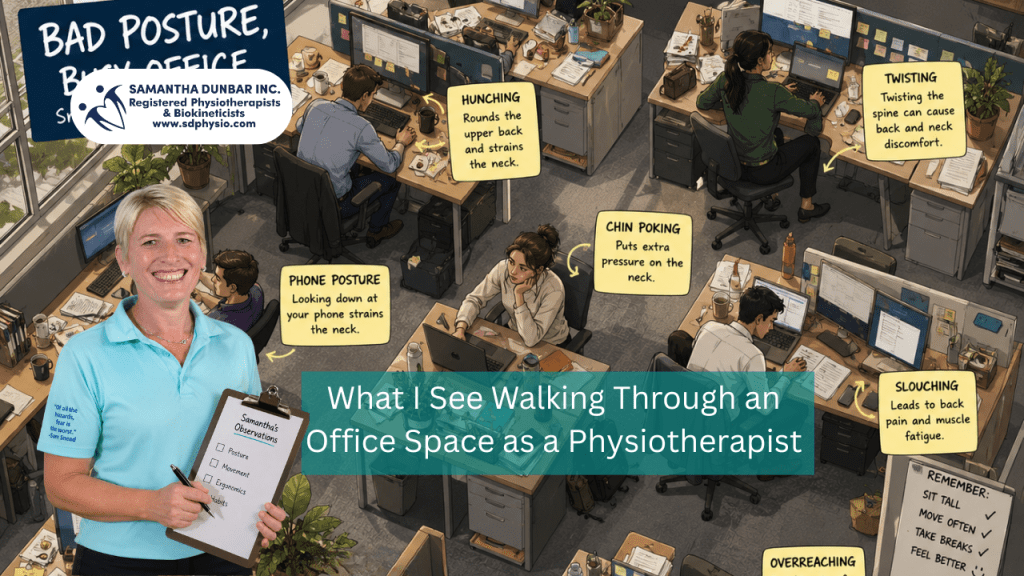
The Office Worker
Hours of:
- Typing
- Clicking a mouse
- Holding a phone
- Hunching over a laptop
Can lead to:
- Wrist pain
- Neck stiffness
- Shoulder tension
- Forearm discomfort
Your keyboard may look innocent, but it can be surprisingly demanding.
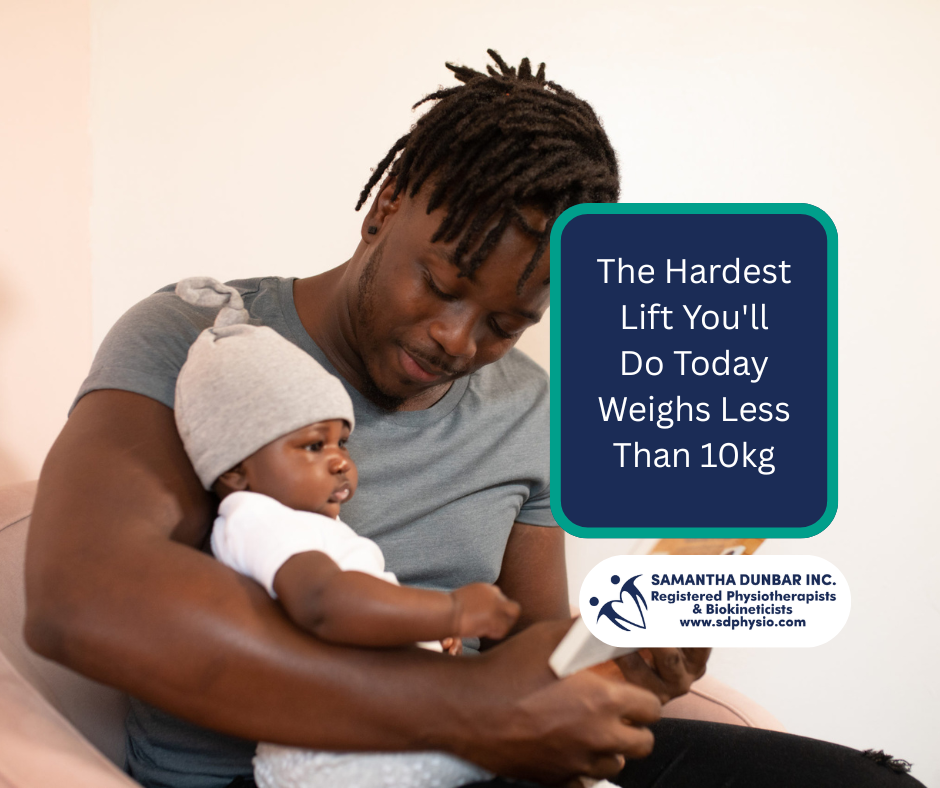
The Parent (Especially New Mums)
Babies may be small, but they are repetitive-work specialists.
Think about:
- Feeding
- Carrying
- Rocking
- Lifting in and out of cots
- Pushing prams
Repeated many times a day, often with poor posture and very little sleep.
This commonly leads to:
- Wrist pain (often called “mum wrist”)
- Neck and shoulder strain
- Upper back tension
Babies are adorable. Ergonomic? Not so much.
The Weekend Warrior
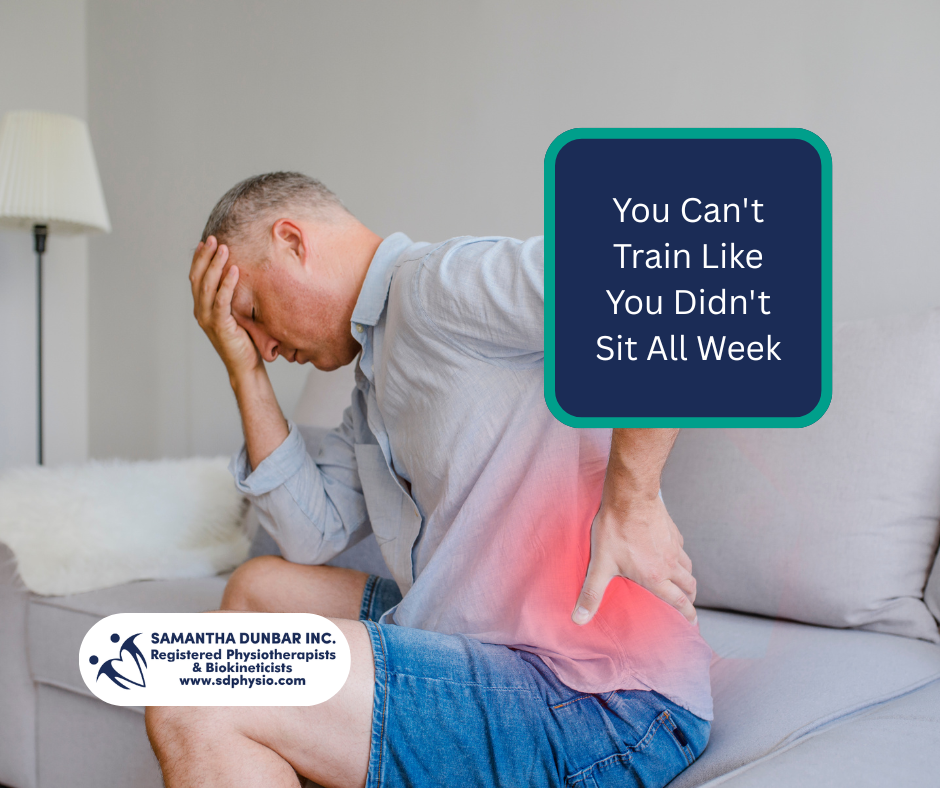
A full week at a desk followed by two intense hours of padel, tennis, golf, or gardening?
Classic RSI territory.
Sudden repetitive activity can overload tissues that are not conditioned for it.
The Everyday Multitasker
Even daily habits can contribute:
- Scrolling on your phone
- Holding devices awkwardly
- Repeated household tasks
- Carrying heavy bags on one side
Sometimes modern life is one long repetitive movement.
What Does It Feel Like?
RSIs often start subtly:
- Mild aching
- Tightness
- Tingling
- Stiffness
- Weakness
- Discomfort during certain tasks
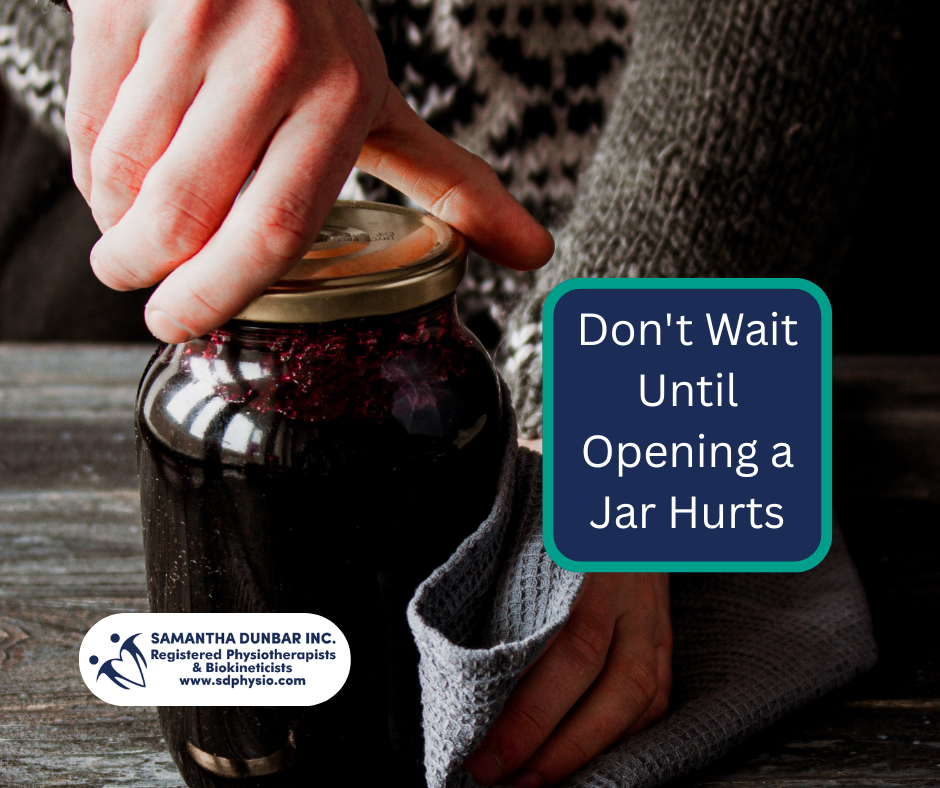
The tricky part? It often feels manageable at first, which is exactly why people ignore it.
Until opening a jar suddenly feels like a major event.
How Physiotherapy Helps
The good news: RSIs respond very well to early treatment.
Physiotherapy focuses on:
- Finding the cause It is rarely just the sore area.
- Reducing irritation Calming inflamed tissues
- Improving movement patterns Teaching your body better ways to move
- Strengthening support muscles Helping tissues handle load better
- Preventing it from coming back Because repeat injuries are not exactly a hobby anyone wants.
How to Avoid One
A few simple habits go a long way:
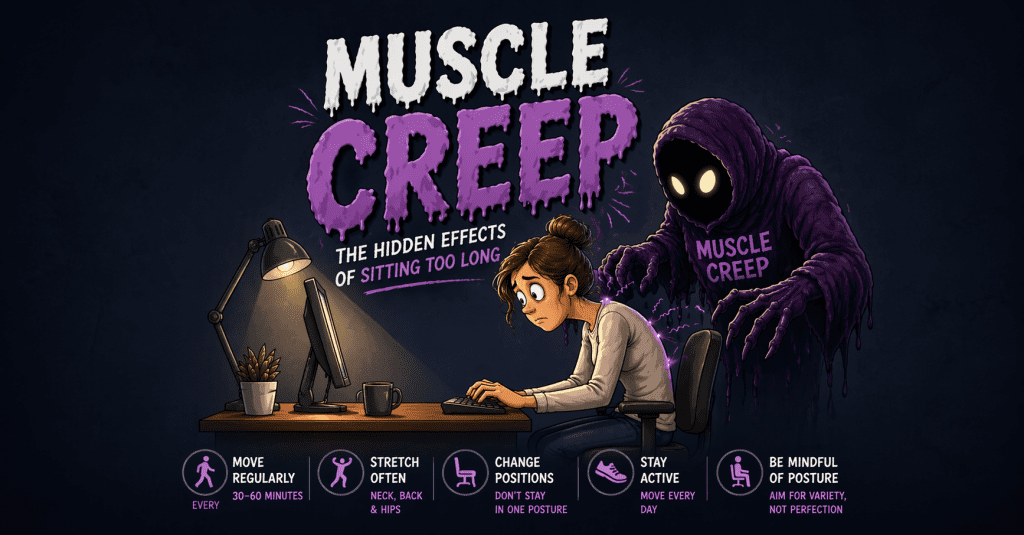
- Change positions often
- Take movement breaks
- Stretch regularly
- Strengthen key muscles
- Set up your workspace properly
- Listen to early warning signs
Your body likes variety.
It was never designed for eight hours of clicking, lifting, rocking, or scrolling without a break.

The Bottom Line
Repetitive strain injuries are common because modern life is full of repetition.
Whether you are:
- Crushing spreadsheets
- Carrying a baby
- Training for sport
- Deep-cleaning the house with suspicious enthusiasm
Your body notices repetition.
The trick is catching the whispers before they become shouts.
Move often, recover well, and remember: even your wrist deserves a break sometimes.