
In the rhythm of daily deadlines, KPIs, and back-to-back meetings, it’s easy to lose sight of a simple truth: our people are our most valuable asset. This is where wellness days have quietly become a powerful tool—not as a perk, but as a pillar of organisational health.
So, what is a wellness day, really?
At its core, a wellness day is an opportunity for companies to invest in the physical, mental, and emotional wellbeing of their staff. It’s a space, sometimes literal, sometimes virtual, dedicated to helping individuals reset, learn, and recharge. It can range from short educational talks to full-day activations involving assessments, interactive sessions, or practical changes to the working environment.
It’s not about beanbags or branded water bottles. It’s about meaningful care: identifying health risks, preventing injuries, and promoting long-term wellness in the workplace.
Why does it matter in a South African context?
In South Africa’s unique professional landscape—with its combination of desk-based and physically demanding roles, injury prevention and stress-related illnesses are major concerns. Absenteeism, burnout, and presenteeism affect not only the bottom line but also morale and employee retention.
Wellness days address this directly, often through:
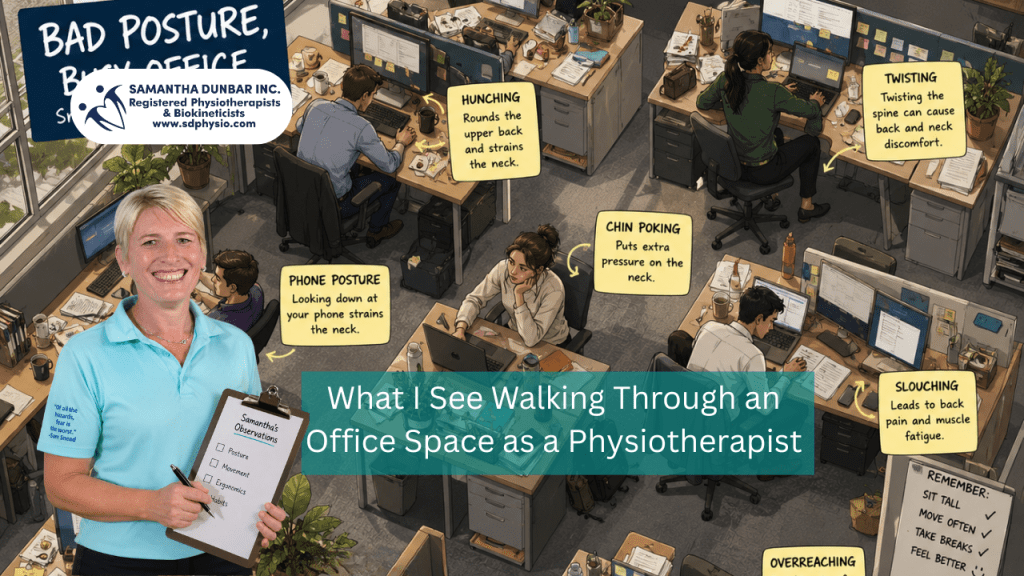
- Office ergonomic assessments to prevent work-related strain
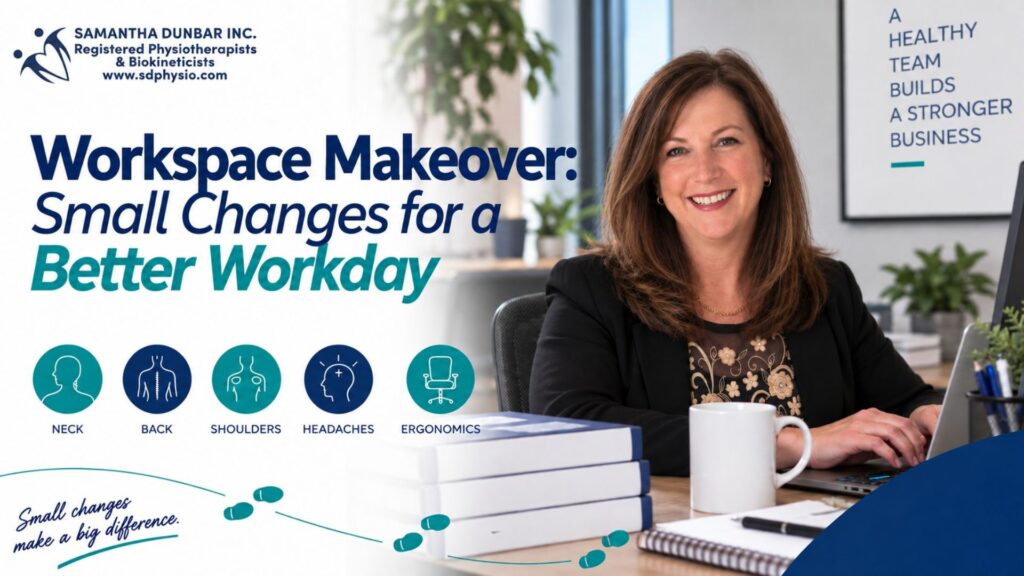
- Educational workshops on lifting techniques, posture, or desk setup
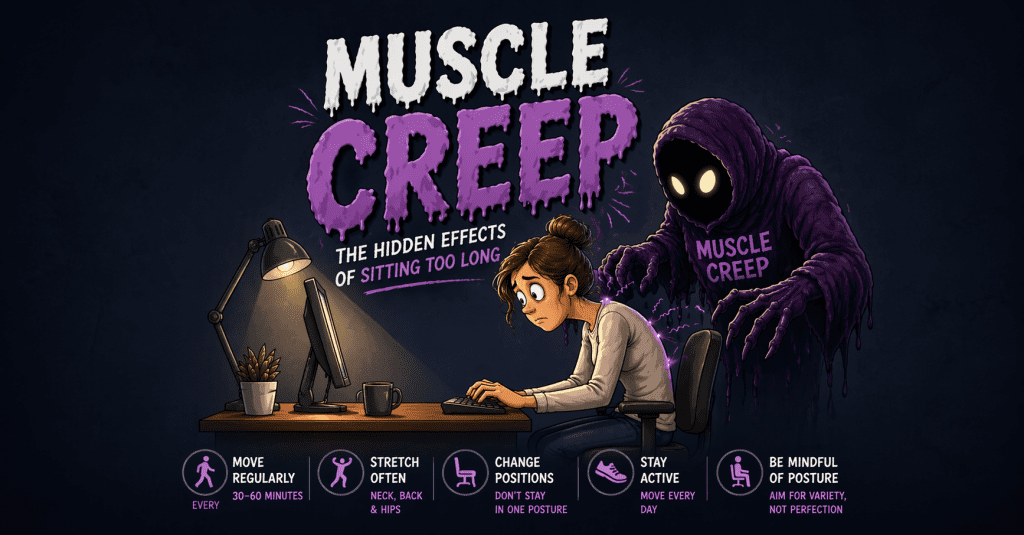
- Exercise-based interventions that reduce injury risk and improve resilience
- Fitness assessments that can also plug into reward-based health programmes like Discovery Vitality
When done thoughtfully, a wellness day isn’t a box to tick, it’s a chance to show employees that their wellbeing is not just their personal responsibility but something their company genuinely values.
A collaborative approach to health
Having been part of initiatives where allied health professionals (like physiotherapists and biokineticists) work directly with corporate teams, I’ve seen the ripple effects of these interventions: staff feel more supported, performance improves, and the workplace becomes a safer, more empowering environment.
And most importantly? People go home more educated and empowered about their health than when they arrived.
If you’d like help designing a wellness day for your team, there are professionals out there who can tailor offerings to your needs—whether it’s injury prevention, physical activity promotion, or ergonomic redesign.
Because the best teams aren’t just high-performing – they’re mentally, emotionally, and physically balanced.