

When most people think of strength training, they picture toned muscles, improved performance, or injury prevention. But one of the lesser-known benefits is its powerful role in supporting your immune system. Especially in today’s fast-paced, high-stress world, building resilience goes beyond just avoiding illness – it’s about strengthening your body from the inside out.
How Strength Training Supports Immunity:
Regular strength training helps regulate the immune system by improving circulation, reducing chronic inflammation, and supporting hormonal balance. When you exercise, your body increases the circulation of immune cells, allowing them to detect and respond to potential threats more efficiently. Over time, this creates a more responsive and robust immune defence.
Strength training also plays a role in reducing chronic low-grade inflammation, which is often linked to illness and fatigue. By improving muscle mass and metabolic health, your body becomes better equipped to manage stressors, both physical and environmental.

The Hormone Connection:
Exercise influences key hormones like cortisol (your stress hormone) and endorphins (your “feel-good” hormones). While excessive training can elevate cortisol and suppress immunity, moderate, well-structured strength training helps regulate it. This balance is crucial, too much stress weakens the immune system, while the right amount of physical challenge strengthens it.
Muscle as a Protective System:
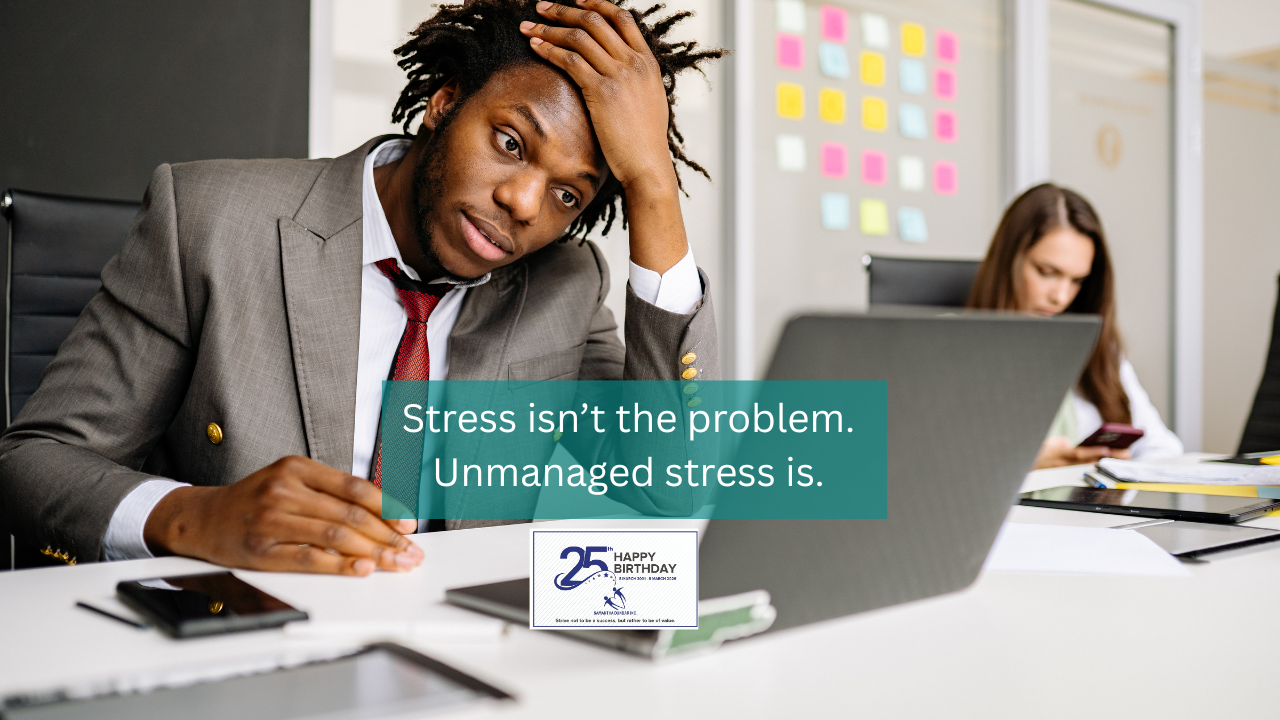
Muscle tissue is more than just for movement, it acts as a reserve of amino acids that your body can use during illness or stress. Maintaining good muscle mass can support recovery if you do get sick and may even reduce the severity of symptoms.
Practical Guidelines:
To use strength training as a tool for immune support, consistency and balance are key:
– Train 2–4 times per week
– Focus on full-body workouts (compound movements like squats, lunges, pushes, and pulls)
– Keep sessions moderate (30–60 minutes)
– Avoid overtraining: rest and recovery are just as important as the workout itself
– Prioritise good nutrition, hydration, and sleep alongside training
Listen to Your Body:
If you’re feeling run down, it’s okay to scale back. Light movement can still be beneficial, but pushing through fatigue or illness can do more harm than good. Strength training should enhance your health, not compromise it.
The Bigger Picture:
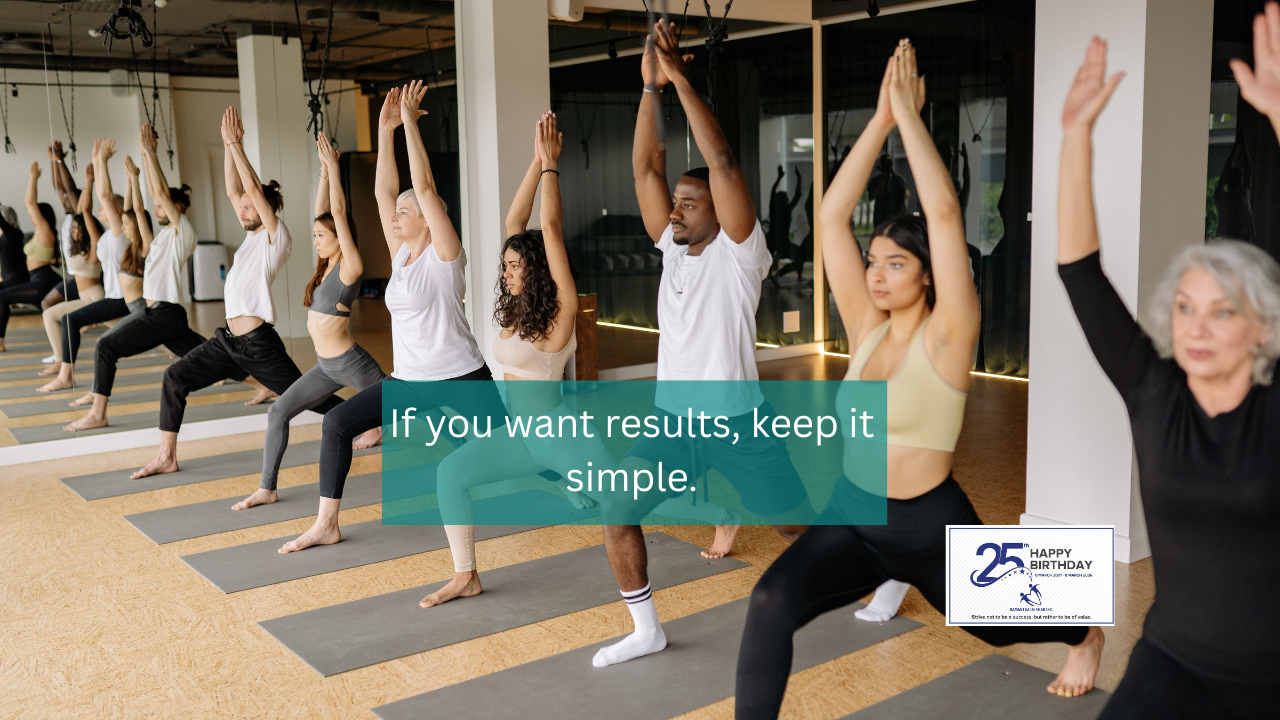
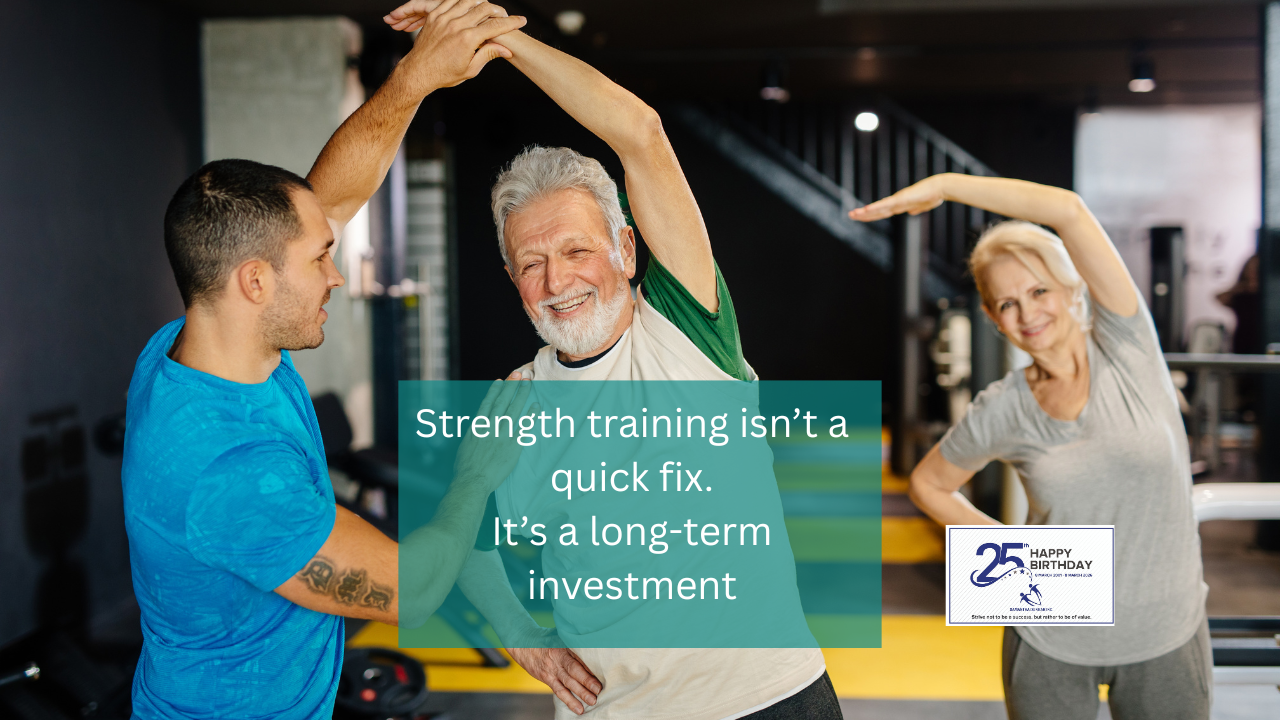
Strength training is not a quick fix. It’s a long-term investment in your health. When combined with a balanced lifestyle, it helps create a body that is not only stronger and more capable but also more resilient to illness.
In simple terms: building strength helps build defence.
Book an assessment today: Booking | Samantha Dunbar Inc.