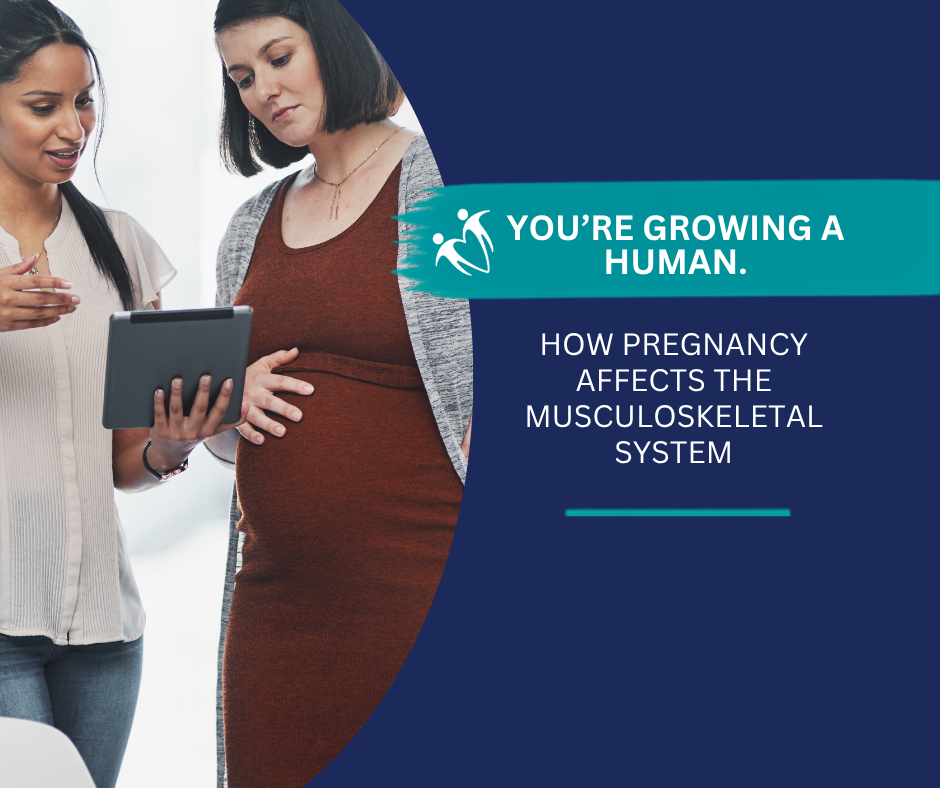


Pregnancy is a beautiful and transformative journey, but it also brings with it a number of physical changes that can affect how you feel and move. While it’s completely natural to experience some discomforts, regular exercise can help ease many of these symptoms, improve your overall wellbeing, and prepare your body for labour and recovery.
Physiotherapists and biokineticists often get asked, “Is it safe to exercise while pregnant?” The short answer is yes—for most healthy pregnancies, exercise is not only safe, but highly beneficial. However, it’s always best to check with your healthcare provider before starting any new exercise programme, especially if you have any pregnancy-related complications.
Why Exercise During Pregnancy?
Staying active during pregnancy can:
- Help maintain a healthy weight
- Reduce common discomforts like back pain, swelling, and fatigue
- Improve posture and circulation
- Boost mood and energy levels
- Promote better sleep
- Strengthen muscles in preparation for labour and postpartum recovery
Guidelines for Safe Prenatal Exercise
Here are a few important tips:
- Stay hydrated and avoid overheating
- Wear supportive clothing and footwear
- Avoid high-impact activities, contact sports, or exercises with a risk of falling
- Listen to your body—if you feel dizzy, short of breath, or experience pain, stop immediately
- Keep exercise moderate: a good rule of thumb is that you should be able to carry on a conversation while exercising
Safe and Effective Exercises During Pregnancy
Here are some tried-and-tested exercises that are generally safe for most pregnant women:
1. Walking
One of the easiest ways to stay active. It’s low-impact, gets the heart rate up, and can be done almost anywhere. Try a brisk 20–30 minute walk most days of the week.
2. Swimming and Aqua Aerobics
Water supports the body and relieves pressure on joints. It’s especially helpful in later stages of pregnancy when movement on land can become uncomfortable.
3. Pelvic Floor Exercises (Kegels)
These strengthen the muscles that support your uterus, bladder, and bowels. Try squeezing and holding the pelvic floor muscles for 5–10 seconds, repeating 10–15 times, a few times a day.
4. Prenatal Pilates or Yoga
These classes focus on breathing, flexibility, and core strength—all vital during pregnancy. Look for classes designed specifically for pregnant women to ensure movements are safe and appropriate.
5. Stationary Cycling
A great cardiovascular option that reduces the risk of falling. Adjust the bike settings for comfort, and avoid pushing too hard.
6. Strength Training (with guidance)
Using light weights or resistance bands to maintain muscle tone is perfectly safe if done with proper form and modified appropriately. Focus on the major muscle groups and avoid exercises that involve lying flat on your back after the first trimester.
Exercises to Avoid
- Contact sports like netball, hockey, or rugby
- Activities with a high risk of falling (e.g. skiing, horseback riding)
- High-intensity interval training (HIIT) unless you were already very active and it’s modified
- Deep twisting or abdominal crunches in later pregnancy stages
The Bottom Line
Pregnancy isn’t a time to push for personal bests, but it is a time to move, breathe, and connect with your body. With the right guidance, exercise can be a powerful tool to help you feel stronger, more comfortable, and confident during your pregnancy.
If you’re unsure where to start or how to safely modify your existing routine, a physiotherapist or biokineticist trained in prenatal care can help develop a personalised programme suited to your needs and trimester.
Need help getting started? Reach out to book a prenatal assessment and let’s keep you moving safely through every step of your pregnancy journey.