

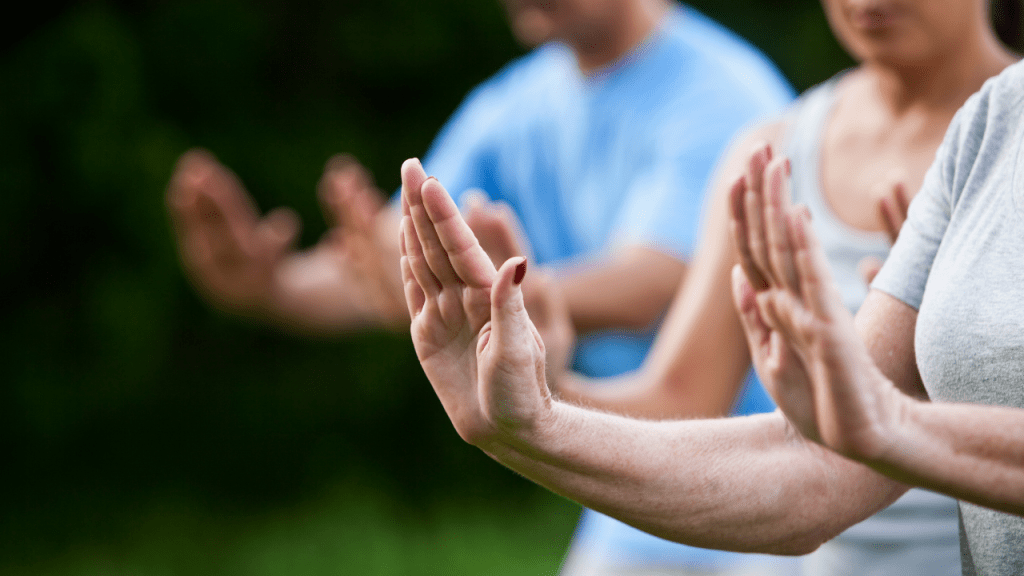
Tai Chi began in ancient China as a martial art and health practice. Over time, it became known less for combat and more for its slow, controlled movements that improve balance, strength, and mental calm.
Today, Tai Chi is widely used in rehabilitation, wellness, and ageing populations because it is safe, low impact, and highly effective. One of its most accessible forms is Tai Chi walking—a mindful way of moving that blends gentle exercise with focus and breathing.
What Is Tai Chi Walking?
Tai Chi walking is a slow, deliberate style of walking where each step is taken with awareness.
It combines:
- Controlled movement
- Upright, relaxed posture
- Steady, intentional breathing
- Mental focus
Instead of rushing, you move with purpose—turning simple walking into a powerful tool for both physical and mental wellbeing.
Why Is Tai Chi Walking Different?
This approach is ideal for people who feel unsteady or cautious with movement. It is especially helpful for those who experience a fear of falling.
Benefits include:
- Improved balance and stability
- Increased confidence with movement
- Better awareness of body position and control
- Reduced risk of sudden or unsafe movements
By slowing down, your body learns how to move more safely and efficiently.
Strength Without Strain
Although gentle, Tai Chi walking is highly effective. The slow pace means your muscles stay active for longer, which helps build strength and endurance—without impact on your joints.
It:
- Activates the muscles of the feet, legs, hips, and core
- Supports neuromuscular control and coordination
- Remains low impact, making it joint-friendly and safe for rehabilitation
You get stronger without overloading your body.
Calming the Nervous System
Tai Chi walking also supports your nervous system. Breathing is slow, controlled, and coordinated with movement, helping the body shift out of stress and into a calmer state.
This can lead to:
- Reduced tension
- Better movement control
- Improved body awareness
- A greater sense of calm and focus
When the nervous system is regulated, balance, coordination, and even pain levels often improve.
A Holistic Way to Move
Tai Chi walking works the body as a whole rather than isolating one area. It encourages:
- Better posture and alignment
- Improved coordination and balance
- Gentle muscle strengthening
- Increased mindfulness and body awareness
It teaches you to move with intention instead of forcing your body through discomfort.
How to Include Tai Chi Walking in Your Program
Getting started is simple.
Begin with:
- 5–10 minutes per day
- Slow, controlled steps
- Upright posture
- Smooth, steady breathing
Consistency matters more than intensity.
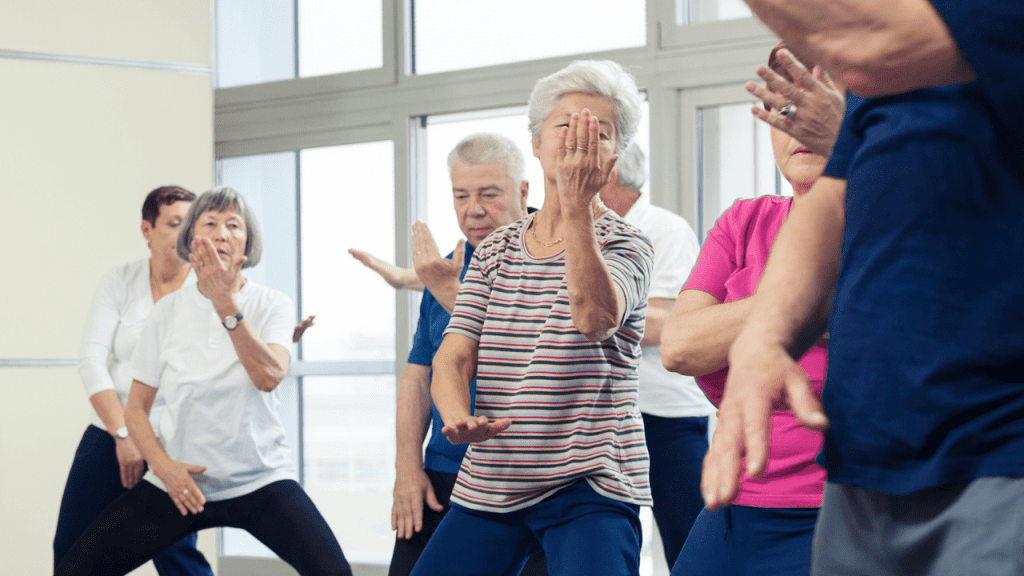
One Step at a Time
Tai Chi walking reminds us that movement doesn’t have to be hard to be effective. By slowing down, you build strength, improve balance, and restore confidence in your body.
Whether you’re recovering from injury, managing balance concerns, or simply looking for a calmer way to move, Tai Chi walking offers a safe, supportive, and empowering approach.
Sometimes the best way forward is simply to slow down—and take one mindful step at a time.
The information provided is general in nature and does not constitute medical advice or diagnosis. Individual conditions vary, and assessment by a qualified healthcare professional is recommended. When in doubt, please book an appointment.