

“Motion is lotion.” It’s a simple phrase, but in physiotherapy, it carries a powerful message: your body is designed to move, and movement is one of the most effective ways to care for your joints.
When joints start to feel stiff, achy, or uncomfortable, many people instinctively slow down or avoid movement altogether. While rest is sometimes necessary, too much stillness can actually make things worse. One of the safest, most accessible ways to keep your body moving well?
Walking.
Why Walking Is So Good for Your Joints
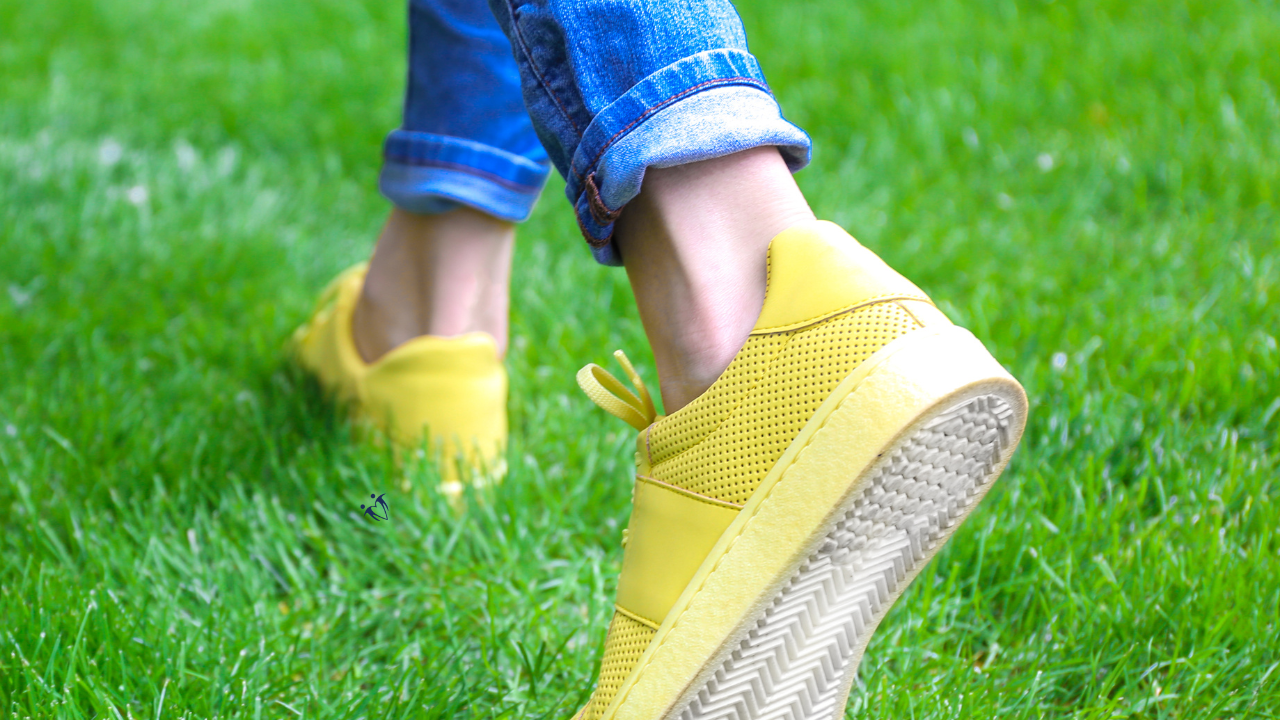
Walking is one of the most effective, low-impact ways to improve long-term joint health. Unlike high-impact exercise, it places minimal stress on the joints while still encouraging them to move through their natural range. This gentle, repetitive motion plays a key role in keeping joints healthy and functional.
When you walk, your body stimulates the production of synovial fluid—the natural lubricant inside your joints. This fluid helps reduce friction between joint surfaces while also delivering nutrients to the cartilage. Think of it as oil for a hinge: without movement, joints can feel dry, stiff, and uncomfortable. With movement, they become smoother, better nourished, and more resilient.
In short, walking quite literally helps your joints move better.
Stronger Muscles, Happier Joints
Your joints don’t work alone. They rely on the muscles around them for support, stability, and control. Walking recruits the muscles of your feet, calves, thighs, hips, and core—helping to strengthen the structures that protect your joints.
When muscles are strong and active, they absorb more of the load, meaning less stress is placed directly on the joints themselves. This is especially important for commonly affected, weight-bearing joints like the knees, hips, and spine.
Rather than wearing your joints down, walking helps create a more balanced system where muscles and joints share the workload. Over time, this can lead to improved movement efficiency and reduced discomfort in daily activities.
Movement for Your Mind
Walking isn’t just beneficial for the body—it’s powerful for mental wellbeing too. Physical activity triggers the release of endorphins, your body’s natural pain-relievers and mood boosters. These chemicals help reduce the perception of pain, lower stress levels, and improve overall emotional wellbeing.
A short walk can often bring clarity, calm, and a noticeable shift in how your body feels. Many people report that stiffness eases, tension melts away, and energy levels rise after even a brief period of movement.
In physiotherapy, we often see how closely the mind and body are linked: when you move better, you feel better—and when you feel better, you’re more likely to keep moving.

Long-Term Benefits for Joint Health
Walking consistently also supports weight management, which plays a major role in joint health. Carrying extra load places additional stress on weight-bearing joints, particularly the knees, hips, and spine. Over time, this can contribute to joint wear, discomfort, and reduced mobility.
By helping to manage body weight, walking reduces this mechanical load and allows joints to function more efficiently. Even small changes can make a meaningful difference—less strain on your joints means more freedom of movement and less daily discomfort.
When Your Body Feels Stiff or Achy
It’s tempting to avoid movement when joints feel sore or tight. But more often than not, gentle activity is exactly what your body needs. Walking keeps joints nourished, muscles active, and circulation flowing—all of which support recovery and long-term mobility.
Of course, pain that is sharp, persistent, or worsening should always be assessed by a healthcare professional. But for everyday stiffness, mild discomfort, or that “rusty” feeling after sitting too long, movement is often the solution, not the problem.

Take the First Step
You don’t need fancy equipment, a gym membership, or hours of free time. A short walk around your block, during your lunch break, or at the end of your day can make a meaningful difference.
So next time your joints feel stiff or achy, remember: motion is lotion. A simple walk might be the most powerful, natural step you can take toward healthier, happier joints—today and for years to come.
…