

Water is one of the most overlooked tools for good health. We often focus on exercise, nutrition, and supplements, yet something as simple as staying well hydrated plays a powerful role in how our bodies function, especially when it comes to heart health, body temperature, and blood pressure.
From a physiotherapy perspective, hydration affects how efficiently your heart works, how well your muscles perform, and how your body copes with daily physical stress. Let’s take a closer look at why water deserves more attention.
Water and Your Heart: Making the Pump Work Smarter
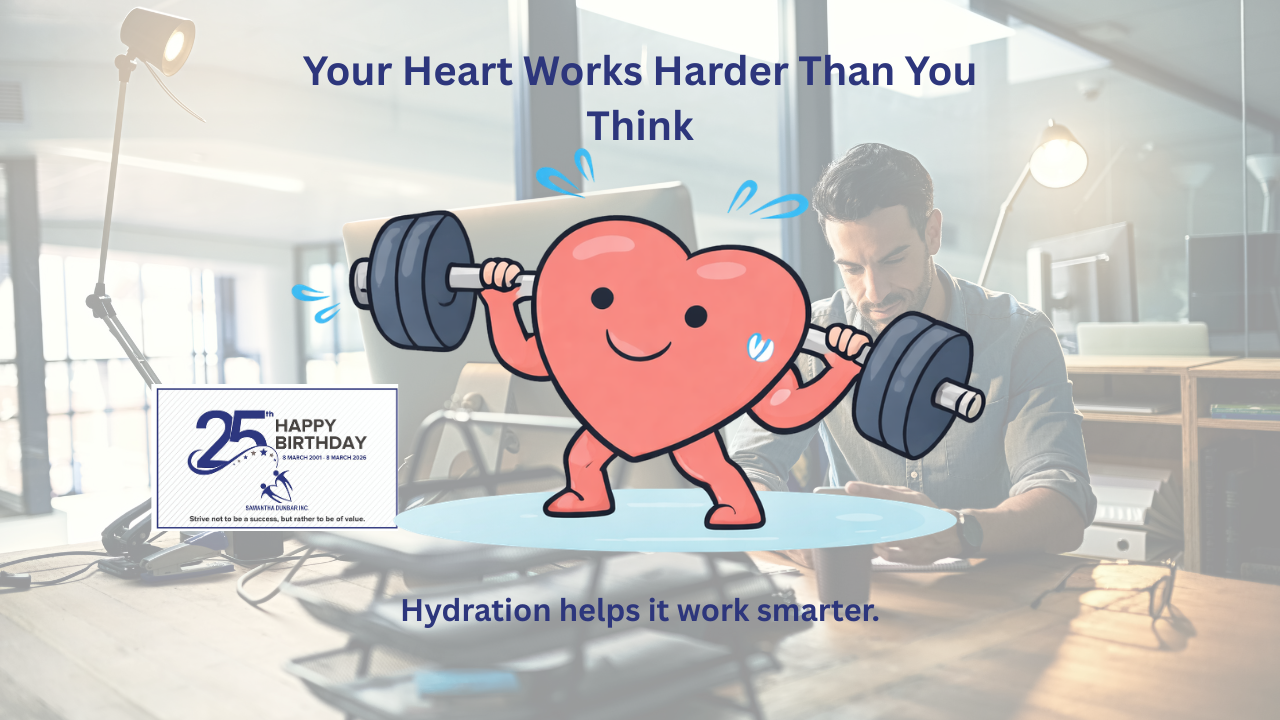
Your heart’s main job is to pump blood around your body, delivering oxygen and nutrients to your organs and muscles. Blood is largely made up of water, so when you’re well hydrated, your blood flows more easily.
When you’re dehydrated:
- Blood becomes thicker
- The heart has to work harder to pump it
- Heart rate may increase to compensate
Staying hydrated helps maintain normal blood volume, which reduces strain on the heart. This is particularly important during exercise, hot weather, or long working days when fluid losses increase.
Simply put, water helps your heart do its job more efficiently.
Hydration and Blood Pressure: A Delicate Balance
Blood pressure depends on how much blood is circulating and how easily it flows through your blood vessels. Dehydration can cause blood volume to drop, leading to changes in blood pressure. In some people, this may cause dizziness or light-headedness, especially when standing up quickly.
On the other hand, consistent hydration supports:
- Stable circulation
- Better regulation of blood pressure
- Reduced stress on blood vessels
For people managing high blood pressure, hydration alone is not a treatment, but it is an important lifestyle factor that supports overall cardiovascular health alongside movement, medication (if prescribed), and healthy nutrition.
Staying Cool: Water and Temperature Control
One of water’s most important roles is regulating body temperature.
Your body cools itself mainly through sweating. Sweat evaporates from the skin, helping release excess heat. Without enough water:
- Sweating becomes less effective
- Body temperature rises more quickly
- Fatigue sets in sooner
This is why dehydration increases the risk of heat exhaustion and reduces exercise performance. Even mild dehydration can make you feel sluggish, weak, or short of breath.
Whether you’re exercising, working outdoors, or simply dealing with a hot day, drinking enough water helps your body stay cool and function normally.
Hydration, Muscles, and Movement
As physiotherapists, we often see the effects of poor hydration in muscle function.
Water helps:
- Muscles contract and relax properly
- Reduce cramping
- Improve circulation to working muscles
- Support recovery after activity
Dehydrated muscles fatigue more quickly and are more prone to tightness and cramps. For people who exercise regularly, walk a lot, or do physical work, staying hydrated is a simple way to support movement and reduce discomfort.
How Much Water Do You Really Need?
There’s no one-size-fits-all answer. Fluid needs vary based on:
- Body size
- Activity level
- Weather
- Health conditions
A good general guide:
- Drink regularly throughout the day
- Don’t wait until you feel very thirsty
- Check your urine colour (pale yellow usually indicates good hydration)
You may need more fluids if you are active, sweating heavily, or spending time in the heat.
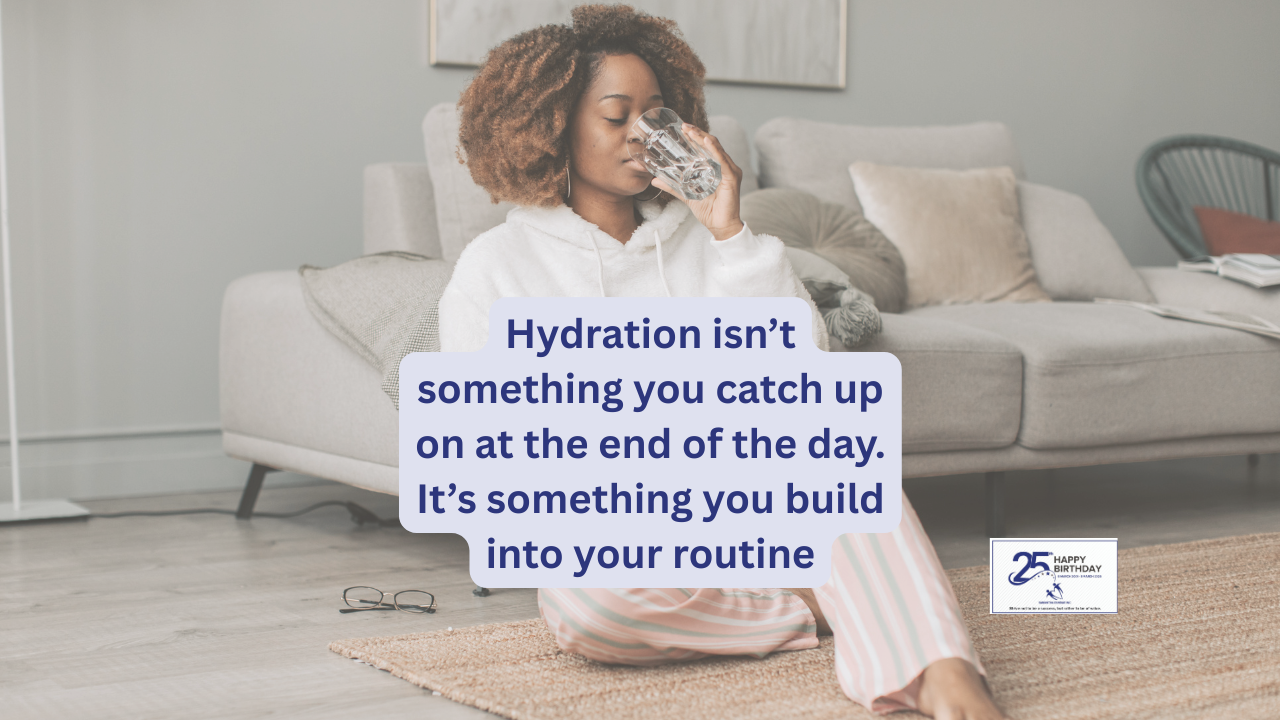
Simple Tips to Stay Hydrated
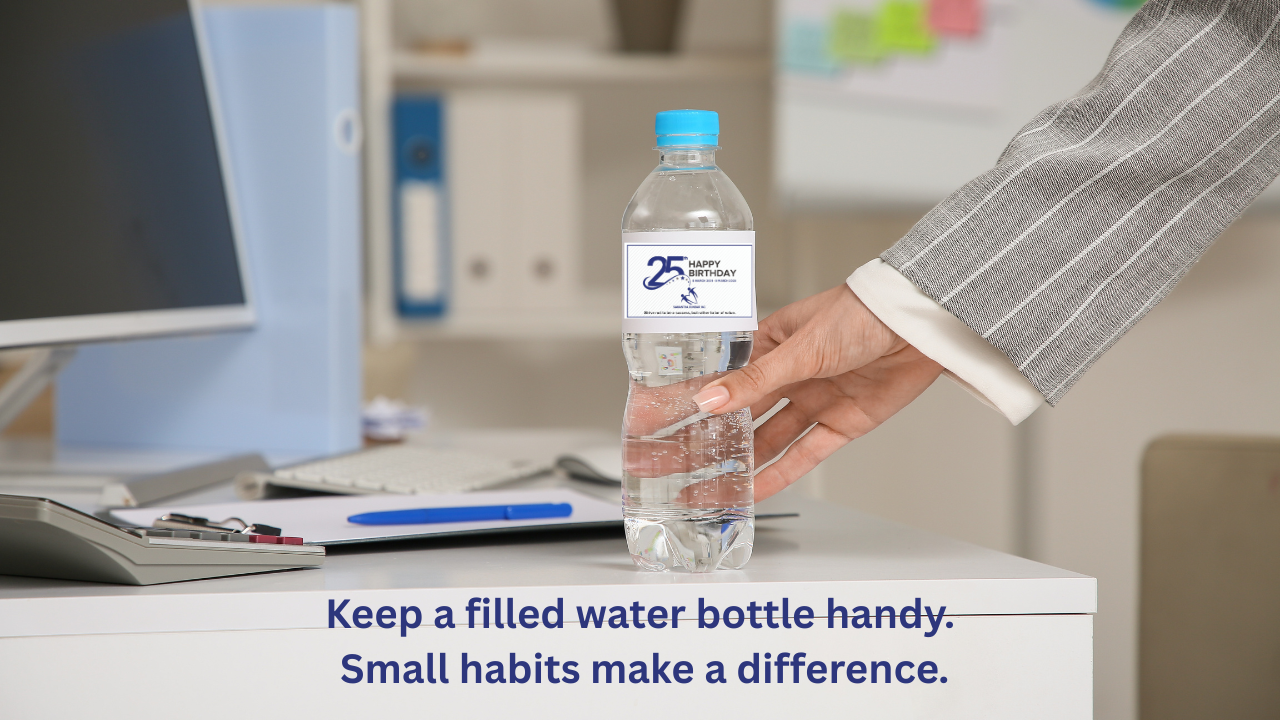
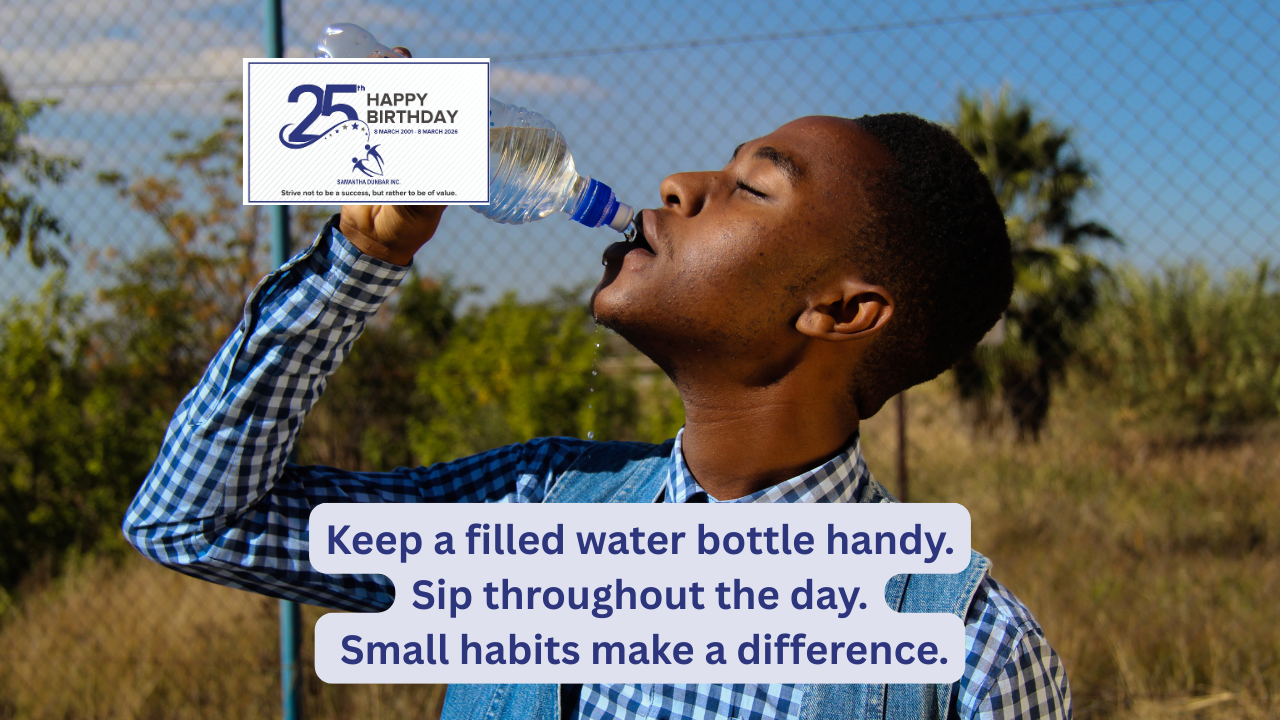
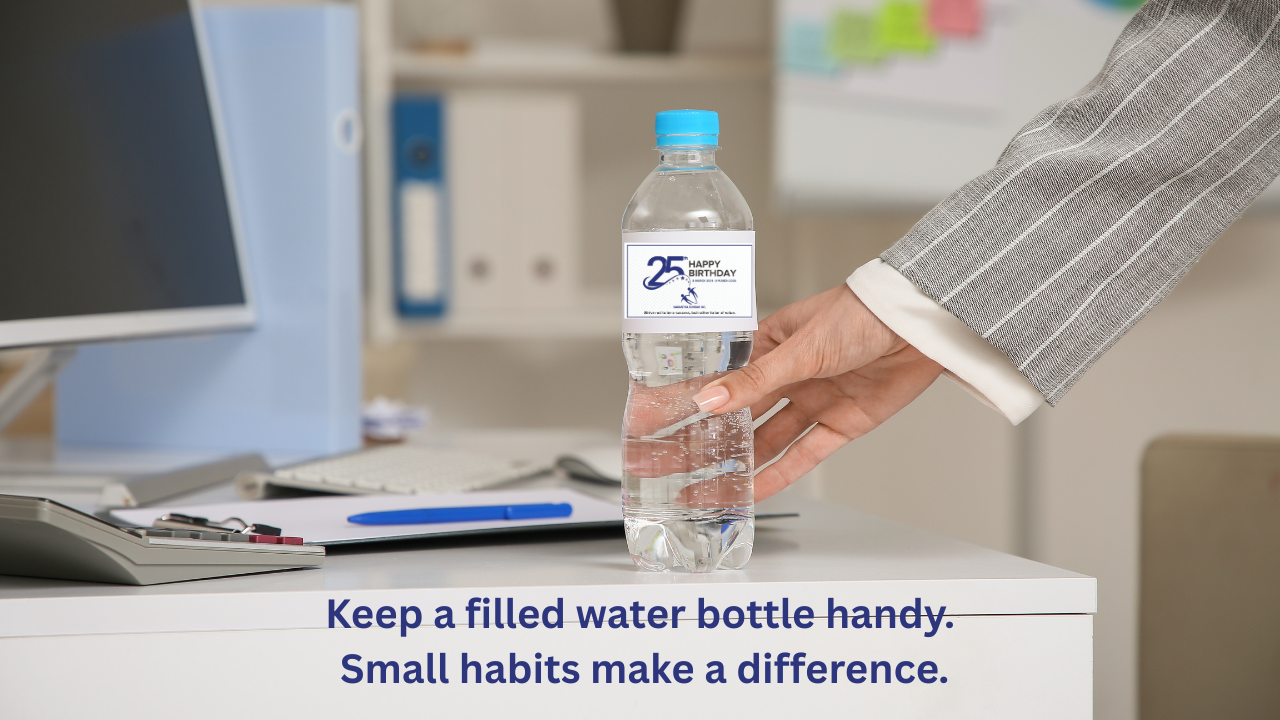
- Keep a water bottle with you as a reminder
- Sip water regularly rather than drinking large amounts at once
- Increase fluid intake during exercise and hot days
- Include water-rich foods like fruit and vegetables
- Limit excessive caffeine and alcohol, which can contribute to fluid loss
The Takeaway
Water does far more than quench thirst. It supports your heart, helps regulate blood pressure, keeps your body cool, and allows your muscles and joints to move efficiently.
Hydration isn’t complicated, expensive, or time-consuming, but it makes a real difference to how your body feels and performs every day.
Looking after your heart and overall health starts with small, consistent habits. Drinking enough water is one of the simplest and most effective places to begin.